- How you present a price can influence buying decisions more than the price itself.
- Filipino customers are value‑driven, emotional buyers—pricing psychology taps into these natural tendencies.
- These strategies work for sari‑sari stores, online sellers, food businesses, freelancers, and service providers.
- Small tweaks in pricing can increase conversions without lowering your profit margins.
In a market where subscription fatigue is real and price sensitivity is high, Filipino consumers are more careful than ever with their spending. But here’s the good news: you don’t always need to lower your prices to increase sales. Sometimes, the secret lies in how you present the price.
Pricing psychology uses natural human biases to guide customers toward higher‑value purchases—without pressure, manipulation, or gimmicks. These strategies are used by malls, e‑commerce platforms, cafés, and even sari‑sari stores. And when applied correctly, they can significantly boost your revenue.
Here are seven powerful pricing psychology tricks you can start using today.
The decoy effect
When customers choose between two options, they often pick the cheaper one. But when you add a third “decoy” option, you can steer them toward the option you want them to buy.
How it works
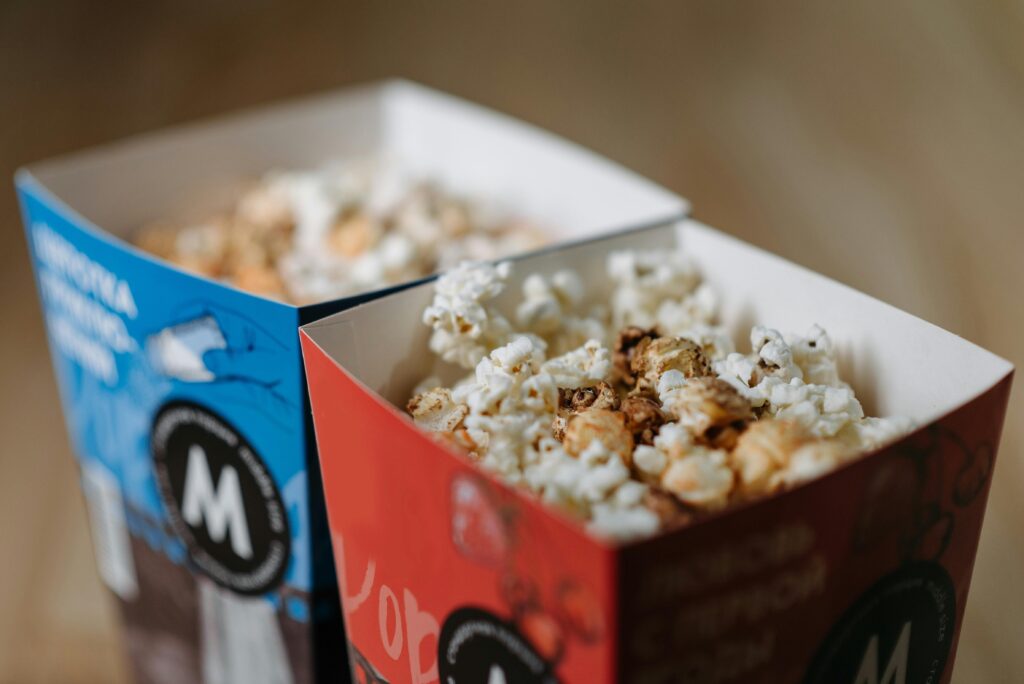
Example: A popcorn stand sells:
- Small – ₱150
- Large – ₱280
Most people choose the small. But if you add:
- Medium – ₱250
The large suddenly looks like a much better deal for only ₱30 more.
Why it works
The medium exists only to make the large look more valuable. Customers feel they are “upgrading” for a small difference.
Real-life Filipino example
Milk tea shops often use this trick: Regular ₱95, Large ₱110, Jumbo ₱115. Most customers end up buying Jumbo.
Price anchoring
The first price a customer sees becomes their mental benchmark.
The strategy
Show your most expensive package first—this becomes the “anchor.”
The effect
When customers see the next option (e.g., ₱2,500 Standard Plan), it feels cheaper compared to the ₱10,000 Premium Plan they saw first.
Where it works best
- Freelancers offering service packages
- Gyms and coaching programs
- Online sellers offering bundles
Charm pricing
Even in 2026, the “₱499 vs ₱500” trick still works.
Why it works
Our brains read numbers from left to right. Seeing “4” instead of “5” makes the price feel significantly lower.
Impact
Studies show charm pricing can increase conversions.
Where to use it
- Sari‑sari stores (₱9.99, ₱19.99, ₱49.99)
- E‑commerce listings
- Food menus
Partitioned pricing
Big numbers scare customers. Small numbers feel manageable.
The trick
Instead of saying “₱3,600 per year,” say “₱10 per day.”
Why it works
Customers compare the cost to daily habits—like coffee, snacks, or mobile load—making the price feel lighter.
Where it works
- Subscriptions
- Insurance
- Gym memberships
- Coaching programs
The center stage effect
When presented with three options, people naturally choose the one in the middle.
The strategy
Place your highest‑margin product in the center of your pricing table.
Design tips
- Make the middle column slightly larger
- Add a “Most Popular” badge
- Use a different background color
Real-life example
Many buffet restaurants place their “Best Value” option in the middle to guide customers toward it.
Loss aversion
People hate losing money more than they enjoy saving it.
The trick
Show the original price crossed out next to the sale price:
₱1,000 → ₱750
Why it works
Customers feel they are “saving ₱250” instead of “spending ₱750.”
Where it works
- Flash sales
- Seasonal promos
- Online shops
Reducing visual clutter
Premium brands use clean, simple pricing to make products feel more elegant and less “heavy.”
The trick
Remove unnecessary symbols and decimals:
- Use “1500” instead of “₱1,500.00”
- Use “899” instead of “₱899.00”
Why it works
Fewer characters reduce cognitive load, making the price easier to accept.
Where it works
- Luxury items
- Fashion boutiques
- High-end cafés
Psychology quick-reference table
| Strategy | Goal | Best For |
|---|---|---|
| Decoy Effect | Upsell to premium | Cafés, cinemas, SaaS |
| Anchoring | Make mid-tier look cheap | Services, consulting |
| Charm Pricing | Create bargain perception | Retail, e-commerce |
| Partitioned Pricing | Make big costs feel small | Subscriptions, gyms |
Conclusion
Pricing psychology isn’t about tricking customers—it’s about presenting your products in a way that feels natural, fair, and easy to understand. These strategies help customers make confident decisions while helping your business increase sales and improve margins.
Whether you run a sari‑sari store, an online shop, a café, or a service business, these seven pricing techniques can help you stand out in a competitive market and guide customers toward the best-value options.
Small tweaks can create big results. Start applying one or two strategies today and watch how your customers respond.