- Water refilling stations run on thin margins, so discipline and consistency matter more than equipment.
- Your filters, delivery team, and after-sales support determine whether customers stay or leave.
- Legal compliance and container management protect your reputation and your profit.
- Convenience, speed, and reliability—not just water quality—are what customers truly pay for.
Why water refilling stations succeed or fail
Operating a water refilling station in the Philippines is often described as “recession-proof,” but seasoned owners know the truth: it is a business of pennies and purity. You earn a few pesos per gallon, and one mistake—like a late delivery or a funny taste—can push customers to the competitor across the street.
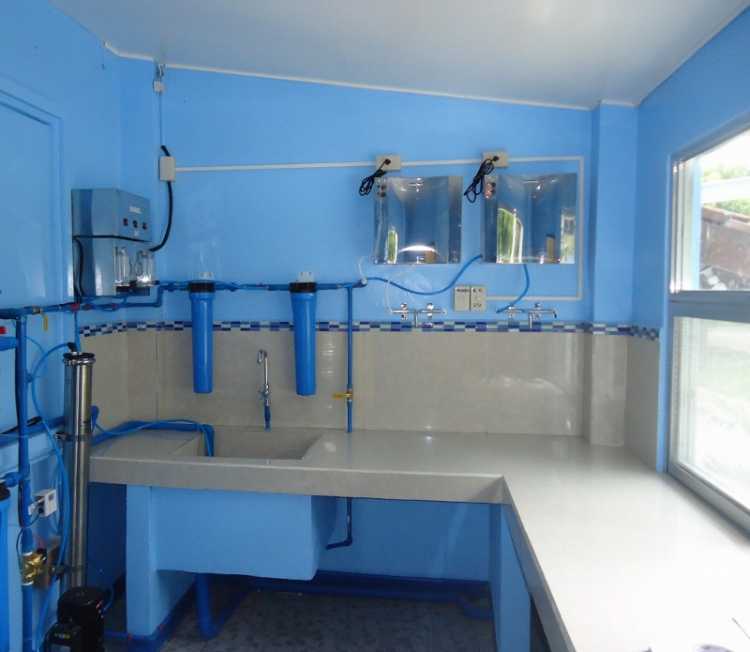
The difference between a thriving station and one that closes in two years often comes down to operational discipline. Here are seven lessons from industry veterans to help newcomers navigate the waters with confidence.
1. Your filter replacement schedule is your reputation
The most common mistake for newcomers is delaying filter changes to “save” on operating costs. But in this business, your water’s taste and clarity are your brand.
The veteran lesson: Never wait for the water to taste funny. Once a customer tastes chlorine, rust, or earthiness, they are gone for good. Even if you fix the issue the next day, they may never return.
Example: A new owner tries to extend the life of their carbon filter by two extra weeks. Customers start complaining that the water tastes “mapakla.” Within a month, half of them switch to another station. The owner loses far more than the ₱800 cost of a replacement filter.
Pro-tip: Keep a visible logbook near the machine showing the last date of filter replacement. Customers who walk in and see your maintenance record instantly trust your product.
2. Managing delivery boys is your biggest stress
Ask any long-term owner: the machine rarely breaks, but the delivery staff often “disappear,” arrive late, or mishandle containers.
The veteran lesson: Your delivery boys are the face of your business. Treat them well, but always have a backup pool of riders.
The strategy: Pay them a base salary plus commission per gallon. This motivates them to deliver more and avoid delays. Also, have a clear policy on lost containers—one of the biggest sources of profit leakage.
Example: A station loses ten gallons in one month because riders swapped clean branded containers for old, unbranded ones from customers. Without a clear policy, the owner absorbs the loss.
3. Don’t just buy equipment—buy after-sales support
Many suppliers will sell you a shiny ₱250,000 setup but won’t answer the phone when a pump fails on a Saturday morning.
The veteran lesson: Before signing a contract, talk to the supplier’s existing clients. Ask if their technicians arrive within 24 hours of a breakdown.
The strategy: Learn basic “first aid” for your machine. You should know how to backwash filters, reset control valves, and troubleshoot minor leaks.
Example: A pump fails at 6 PM on a Friday. The supplier says they can come on Monday. A veteran owner knows how to do a temporary bypass to keep the station running. A beginner without training loses two days of sales.
4. The potability test is your legal shield
The government requires regular water testing, but some owners see this as a chore or a bribe-avoidance tactic. In reality, these tests protect you.
The veteran lesson: Potability tests are your insurance. If a neighbor gets a stomach bug, they will blame the water station first. Having a monthly bacteriological test posted on your wall protects you from unfair accusations.
Frequency:
- Monthly: bacteriological test
- Every 6 months: physical and chemical tests
Example: A customer complains of stomach pain and accuses your station. You show your latest DOH-accredited test results. The issue is traced to spoiled food at home—not your water.
5. Master the container math
Containers (gallons) are a massive hidden expense. They get scratched, lost, swapped, or damaged.
The veteran lesson: Always maintain a deposit system for new customers. Never give away a free gallon container unless it’s part of a high-value contract.
The strategy: Use a sticker branding system. If a customer brings in a competitor’s dirty, scratched gallon, refuse to swap it for your brand-new one. Keep your inventory quality high.
Example: A station that doesn’t use deposits loses twenty gallons in three months. At ₱180 per container, that’s ₱3,600 gone—equivalent to hundreds of gallons of profit.
6. Institutional clients are gold, but residential customers are bread
Newcomers often chase big office contracts because they look impressive. But veterans know the real money is in daily household deliveries.
The veteran lesson: Office contracts (B2B) are great for volume but can be slow to pay—30 to 60 days. Residential customers (B2C) pay cash on delivery.
The strategy: Use residential sales for daily cash flow (electricity, gas, salaries). Use institutional contracts for profit and expansion.
Example: A station with three office clients delivers 200 gallons a week but waits two months for payment. Meanwhile, their 50 household customers pay daily, keeping the business alive.
7. Water is a commodity; convenience is the service
At the end of the day, water is water. Customers stay with you because of convenience, speed, and reliability.
The veteran lesson: If your phone line is busy or your delivery takes four hours, customers will call the station across the street.
The strategy: Use a dedicated store phone with GCash or Maya for easy payment. Set a standard “delivery within 30 minutes” rule. It’s not the water they’re buying—it’s the fact that they didn’t have to wait.
Example: A customer calls three stations. Two don’t answer. You answer on the first ring and deliver in 20 minutes. That customer becomes loyal for years.
Veteran’s checklist for newcomers
- Sanitary permit: Don’t start without it. LGUs are cracking down on unregistered stations.
- TDS meter: Buy a handheld TDS meter and test your product water every morning.
- 13th month pay for staff: Budget for this early. Loyal staff reduce turnover and protect your brand.
Conclusion: discipline is the real secret
Running a water refilling station is not about having the biggest machine or the cheapest price. It’s about discipline—clean filters, reliable deliveries, proper testing, and consistent service. Follow these veteran lessons and you’ll build a station that lasts, grows, and earns the trust of your entire community.