Now that you’ve decided to start a blog, the next step is to actually build it and publish your first post.
Every successful blog — whether high‑traffic, profitable, or influential — began with a single published entry. Even the biggest bloggers today were once beginners who felt unsure, overwhelmed, or intimidated by the process.
Before writing your first post, however, there are several foundational steps you need to set up. This guide walks you through the essentials so you can start your blogging journey with confidence.
Why start a blog?
Your motivation matters. It keeps you consistent, inspired, and committed — especially during moments when writing feels difficult or when life gets busy.
Common reasons people start blogging
- To share what you learn. Whether you’re a student, professional, or hobbyist, blogging lets you document your journey and help others learn from your experiences — cooking, fitness, immigration, photography, and more.
- To tell your story. A blog can be your open diary — a space for reflections on life, career, spirituality, or personal growth.
- To earn money. With consistent, high‑quality posts, you can monetize through ads, affiliate links, sponsorships, and product placements.
- To connect with like‑minded people. Writing about specific interests (travel, golf, anime, aviation, etc.) attracts readers who share your passions.
Motivation helps you stay grounded when inspiration fades. Many people buy domains and hosting plans but never publish a single post — not because they lack ideas, but because they lack consistency. Once you commit, stick to it. Even a short first post is a meaningful start.
What kind of blog should you write?
You can write about anything — cooking, personal finance, fashion, photography, travel, parenting, business, or a mix of your interests. Many bloggers start with one niche and expand later.
At first, you may feel like you don’t have enough topics. But once you begin writing, you’ll realize you have more ideas than you can publish at once.
Planning your blog content
While spontaneous writing is great, planning helps you stay consistent. A simple content outline gives structure to your ideas and keeps you accountable.
For example, your first few posts can include:
- An introduction about yourself and what readers can expect
- A personal story or experience
- A tutorial or how‑to guide
- A product review
- A list of your favorite places, tools, or tips
Once you have a few ideas, you’re ready to move forward.
Resources you need when starting a blog
Blogging requires time, effort, and consistency. Expect to spend 30 minutes to an hour researching and writing each post. Later, you’ll also learn keyword research, outreach, and promotion.
Install blog tracking tools
Analytics tools help you understand your audience — what they read, how long they stay, and where they come from. Google Analytics is free and easy to install.
Do keyword research
Keyword research helps you identify what people search for. If your blog is about pets, for example, you’ll want to know whether readers are more interested in grooming, food, or training. This helps you prioritize topics that attract traffic.
Develop a content calendar
A content calendar helps you organize your ideas and publish consistently. It also helps you plan seasonal content — gift guides for Christmas, recipes for holidays, travel posts for summer, etc.
Check your blog’s performance
After a month or two, review your analytics. Identify which posts perform well and create follow‑up content. Blogging is a long‑term game — data helps you improve over time.

Disclaimer: Some links in this article are affiliate links. If you sign up using them, I may earn a commission at no extra cost to you. This helps support the website.
How to start a blog in five simple steps
- Choose your blog platform
- Register your domain name
- Choose your hosting service
- Design and customize your blog
- Promote your blog
Step 1: Choose your blog platform
A blog platform is the software that manages your content. The most popular is WordPress, used by millions of websites worldwide because it’s flexible, stable, and beginner‑friendly.
This blog uses WordPress for the same reasons. Other platforms include Blogger, Wix, Squarespace, Medium, and Joomla — but WordPress remains the most versatile.
Step 2: Register your domain name
You can start on free platforms like WordPress.com or Blogger, but registering your own domain gives you more control and builds your brand.
- It strengthens your identity. A custom domain makes your blog look professional and memorable.
- It encourages commitment. Investing in a domain motivates you to take your blog seriously.
Use registrars like GoDaddy to search for available domains. Stick to .com, .net, or .org for credibility.
Step 3: Choose your blog hosting service
Your domain is your address; hosting is your home. Choose a reliable hosting provider with good uptime and customer support. Start with a basic plan and upgrade as your blog grows.
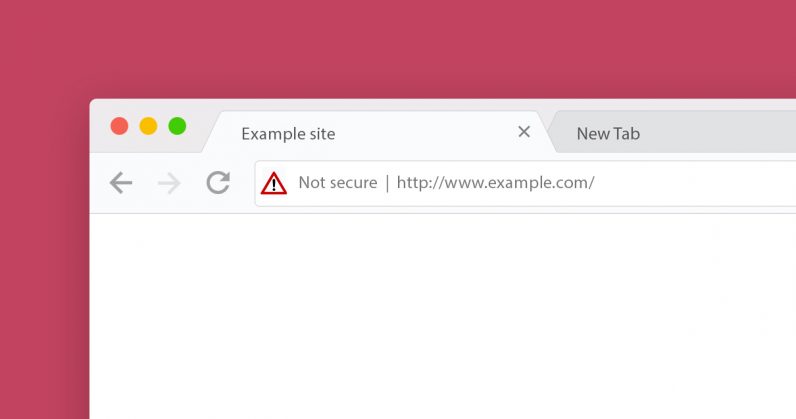
Make sure your hosting includes an SSL certificate (HTTPS) to avoid the “Not Secure” warning in browsers.
Try BlueHost to start your blog
Step 4: Design and customize your blog
Your blog’s appearance depends on your content and personal style.
Themes
WordPress offers thousands of free and paid themes. You can change your theme anytime without affecting your content.
Plugins
Plugins add functionality — SEO tools, spam filters, speed optimizers, and more. Limit yourself to around 10 essential plugins to avoid slowing down your site.
Recommended plugins:
- Yoast SEO
- Akismet Anti‑Spam
Site tracking
Install Google Analytics to understand your audience and improve your content strategy.
Step 5: Write your first blog entry
Start writing — even if your first post feels imperfect. Include your target keywords in the first paragraph, structure your content clearly, and add images or videos to enhance value.
Longer posts (1,000+ words) tend to perform better because they provide more depth and keep readers engaged.
Step 6: Promote your blog
Share your posts on social media, forums, and communities. Reach out to fellow bloggers, answer questions on Reddit or Quora, and consider guest posting to expand your reach.
Your first readers will likely be friends and family — and that’s perfectly fine. Growth takes time.
What’s next?
Congratulations — your blog is now live! Keep writing, keep improving, and avoid the common mistakes bloggers make. Blogging is a long‑term journey, but with consistency and passion, it can become one of the most rewarding things you’ll ever build.
Have questions? Leave a comment!