The sari-sari store business in the Philippines is a unique and deeply rooted part of Filipino retail culture.
Found in almost every neighborhood, these small convenience shops provide quick access to everyday essentials. While they remain an important community fixture, modern retail trends and changing consumer behavior are creating new challenges for traditional sari-sari store owners.
What is a Sari-Sari Store?
A sari-sari store is a small neighborhood retail shop that sells daily household necessities. The word “sari-sari” means “variety,” which reflects the wide range of products typically available in these stores.
Common items sold include:
- Canned goods
- Condiments and cooking ingredients
- Instant noodles
- Snacks and biscuits
- Soft drinks and beverages
- Cigarettes
- Basic household items
Sari-sari stores function as a convenient extension of supermarkets. Although prices are slightly higher compared to large groceries, they offer quick access and personalized service for nearby residents.
The Community Role of Sari-Sari Stores
Beyond being retail outlets, sari-sari stores often serve as social hubs within Filipino communities.
When customers call out the familiar word “pabili” (a request to buy something), the interaction frequently goes beyond a simple transaction. Store owners and customers exchange neighborhood news, discuss celebrities, and share personal stories.
Over time, these relationships become personal. Storekeepers may be invited to:
- Baptisms
- Birthday celebrations
- Community gatherings
- Local events
This social connection is one of the defining features that distinguishes sari-sari stores from modern retail outlets.
Changing Retail Landscape
Despite their cultural significance, sari-sari stores face increasing pressure from new retail trends.
Neighborhood supermarkets, upgraded public markets, and convenience stores now provide easier access to groceries and daily necessities.
Shopping malls have also become attractive alternatives because they combine multiple experiences in one location, such as:
- Grocery shopping
- Cinema entertainment
- Dining
- Socializing
- Church services
Customers can spend an entire day in these establishments, reducing the need to rely on small neighborhood shops.
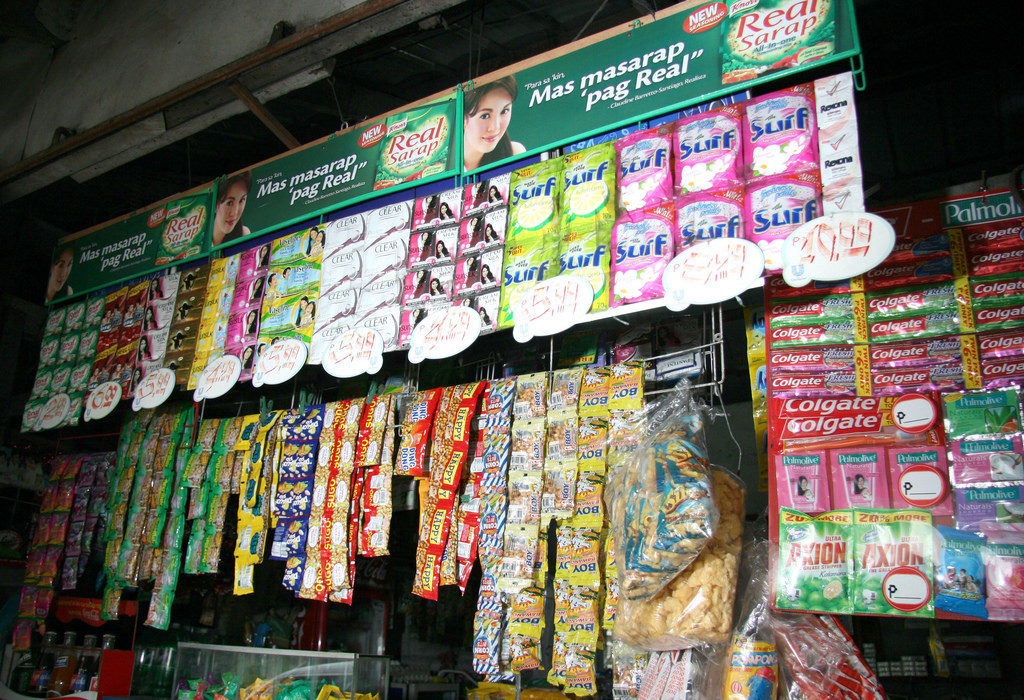
Every sari-sari store business faces serious challenges such as competition, low margins, and increasing operational costs.
Another emerging challenge is the growth of online retail and delivery services, which allow customers to purchase goods without visiting local stores.
Sari-Sari Store Business SWOT Analysis
A SWOT analysis helps evaluate a business by identifying its strengths, weaknesses, opportunities, and threats.
Strengths
- Relatively low capital requirement
- Convenient location within the neighborhood
- Quick and personalized customer service
Weaknesses
- Low profit margins
- Poor cash flow management
- Dependence on family members for operations
Opportunities
- Partnership with nearby carinderia businesses
- New schools or residential developments nearby
- Teaching children basic business and money management
Threats
- New sari-sari stores opening in better locations
- Additional taxes on key products
- Infrastructure projects like road widening that could affect store space
While there are advantages, several factors are making the sari-sari store business increasingly difficult to sustain.
Higher Capital Requirements
Inflation and government taxes on products such as cigarettes and sugary drinks have increased the cost of inventory. As a result, starting and maintaining a sari-sari store now requires more capital than in previous years.
Access to financing is also limited. Lending programs specifically designed for sari-sari store owners are rare, meaning entrepreneurs often rely on personal savings.
New Ways for Customers to Buy Goods
Technology and online commerce have introduced alternative purchasing channels.
For example, overseas Filipino workers (OFWs) can now buy products online and send them directly to their families through services that offer:
- Food packages
- Grocery bundles
- Medicine delivery
These services bypass local sari-sari stores entirely.
Low Profit Margins
To remain competitive, many store owners maintain very small markups on products. However, since goods are often purchased in small quantities rather than wholesale, the profit margin becomes even smaller.
In some cases, stores barely break even or operate at a loss.
Intense Competition
Competition has also intensified in recent years. Multiple sari-sari stores may now exist within the same neighborhood.
At the same time, improved transportation allows customers to easily travel to:
- Public markets
- Supermarkets
- Convenience stores
- Shopping malls
These alternatives often offer greater product variety and lower prices.
Product Quality Issues
Some sari-sari stores struggle with proper storage and inventory management. Limited space and equipment may lead to:
- Stale bread or snacks
- Products exposed to heat or sunlight
- Near-expired goods remaining on shelves
Customers naturally prefer fresher and better-stocked options, which further impacts sales.
Conclusion
At first glance, the sari-sari store business appears simple: purchase goods, apply a markup, and sell to customers. However, the reality is far more complex.
Without proper planning, adequate capital, and disciplined business management, many sari-sari stores struggle to remain profitable in an increasingly competitive retail environment.
Despite these challenges, sari-sari stores continue to play an important role in Filipino communities, offering convenience and personal connection that large retailers cannot easily replicate.
FAQ: Starting and Managing a Sari-Sari Store
1. How much capital do I need to start a sari-sari store?
Startup capital varies depending on size and location. A small home-based store can start with ₱10,000–₱30,000, while a more complete setup with shelves, signage, and full inventory may require ₱50,000–₱150,000.
2. What permits do I need to open a sari-sari store?
You need a Barangay Clearance, DTI Business Name Registration, Mayor’s Permit, and BIR Certificate of Registration. Some LGUs may also require a Sanitary Permit if you sell cooked food or beverages.
3. What are the most important items to stock in a sari-sari store?
Fast-moving items include coffee sachets, instant noodles, soft drinks, snacks, cooking oil, sugar, rice, canned goods, laundry detergent, and hygiene products. These items generate daily sales and attract repeat customers.
4. How can I make my sari-sari store more profitable?
Increase profitability by focusing on fast-moving items, offering tingi products, managing utang carefully, tracking inventory, and keeping your store clean and organized. Adding cold drinks and simple bundles also boosts sales.
5. Why do some sari-sari stores fail?
Common reasons include uncontrolled utang, poor inventory management, inconsistent pricing, lack of fast-moving items, and failure to track expenses. Stores that do not adapt to customer demand often struggle to stay profitable.
6. How do I manage utang in my sari-sari store?
Set clear rules, limit credit to trusted customers, record every transaction, and require regular payments. Using a notebook or digital ledger helps prevent losses and keeps cash flow stable.
7. Do I need a POS system for a sari-sari store?
A POS system is not required, but it helps track sales, inventory, and expenses more accurately. Many small stores start with manual tracking and upgrade to a POS once sales increase.