A key to a profitable swine production business is a healthy breed of pigs. One of the biggest challenges swine raisers face is the early detection and management of diseases. Farm managers and caretakers must recognize symptoms quickly, take preventive action, and consult a veterinarian when needed. Early intervention can save the herd and maintain strong production performance.
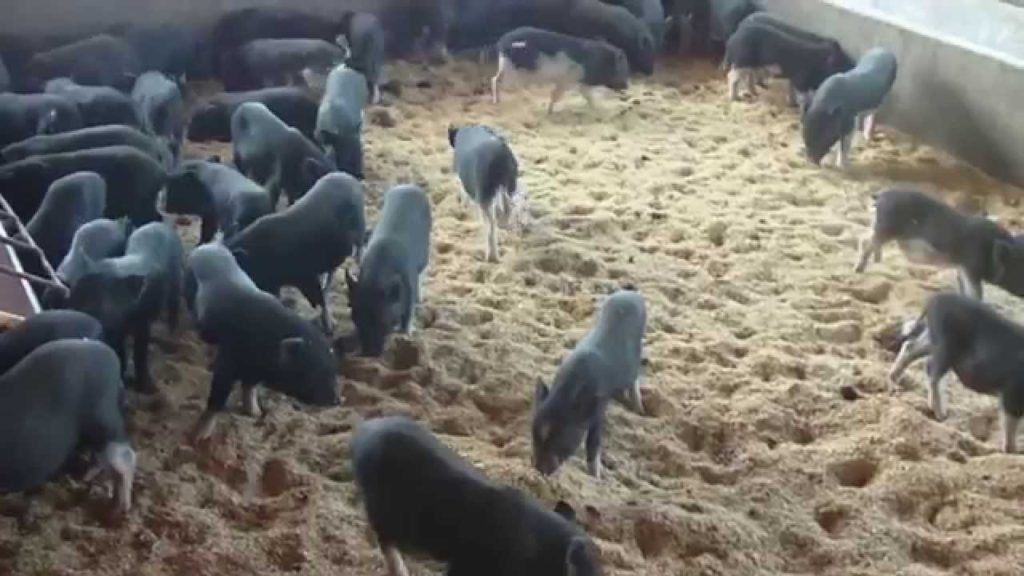
Swine Diseases by Production Stage
Swine diseases can be categorized into three stages: pre-weaning, post-weaning/growing, and breeding periods.
A. Pre-Weaning Period
1. Colibacillosis
Colibacillosis is caused by Escherichia coli bacteria and is a major cause of livestock loss. Symptoms include severe diarrhea, lameness, stunted growth, inactivity, and lack of appetite. Prevention focuses on hygiene and avoiding fecal contamination.
2. Exudative Dermatitis
Also known as greasy pig disease, this condition is caused by Staphylococcus hyicus. It begins with skin lesions that spread and become flaky. Severe cases can lead to death. Treatment includes antibiotics and skin protectants; prevention requires good hygiene and proper flooring.
3. Coccidiosis
A parasitic intestinal disease causing diarrhea, often bloody. It affects piglets aged 10 days to 15 weeks. Treatment includes fluid therapy and coccidiostats. Prevention focuses on hygiene, fly control, and clean creep areas.
Table 1. Diseases of the Pre-Weaning Period
| Disease | Cause | Symptoms | Treatment | Prevention |
|---|---|---|---|---|
| Colibacillosis | Escherichia coli bacteria | Severe diarrhea, dehydration, stunted growth, inactivity | Supportive care, electrolytes, antibiotics (as prescribed) | Hygiene, avoid fecal contamination, proper ventilation |
| Exudative Dermatitis | Staphylococcus hyicus | Skin lesions, greasy/flaky skin, lethargy | Antibiotics, skin protectants, vaccines | Clean housing, smooth flooring to avoid abrasions |
| Coccidiosis | Coccidian protozoa | Diarrhea (sometimes bloody), dehydration, poor growth | Coccidiostats, fluid therapy | Clean creep areas, fly control, sow hygiene |
B. Post-Weaning and Growing Period
4. Respiratory Diseases
Respiratory diseases cause coughing, sneezing, and abdominal breathing. Untreated cases reduce growth rates and may cause death. Treatment includes antibiotics; prevention requires proper ventilation and reduced ammonia levels.
5. Swine Dysentery
Caused by Brachyspira hyodsenteriae, this disease leads to diarrhea and reduced growth. Severe cases may result in death. Prevention includes rodent control, hygiene, and careful selection of replacement stock.
Table 2. Diseases of the Post-Weaning Period
| Disease | Cause | Symptoms | Treatment | Prevention |
|---|---|---|---|---|
| Respiratory Diseases | Bacterial or viral pathogens; poor ventilation | Coughing, sneezing, abdominal breathing, reduced growth | Antibiotics (feed, water, or injection) | Ventilation, reduce ammonia, maintain proper temperature |
| Swine Dysentery | Brachyspira hyodsenteriae | Diarrhea, weight loss, dehydration | Antibiotics via feed, water, or injection | Rodent control, hygiene, controlled stocking density |
C. Breeding Stock
6. Mastitis
Mastitis is inflammation of the mammary glands caused by bacteria. Symptoms include fever, reduced milk production, and loss of appetite. Treatment includes antibiotics, anti-inflammatory drugs, and oxytocin. Prevention requires hygiene and proper nutrition.
7. Porcine Parvovirus
A major cause of infectious infertility in sows. It leads to mummified fetuses, stillbirths, and small litter sizes. There is no treatment; routine vaccination is the best prevention.
Table 3. Diseases of Breeder Pigs
| Disease | Cause | Symptoms | Treatment | Prevention |
|---|---|---|---|---|
| Mastitis | Various bacteria; poor hygiene | Fever, swollen udders, reduced milk, loss of appetite | Antibiotics, anti-inflammatory drugs, oxytocin | Clean farrowing areas, proper nutrition, reduce stress |
| Porcine Parvovirus | Parvovirus infection | Stillbirths, mummified fetuses, small litters | No treatment available | Routine vaccination of gilts, hygiene, biosecurity |
Conclusion
Many swine diseases are preventable through proper hygiene, ventilation, and stress reduction. Vaccination strengthens herd immunity, while good nutrition supports disease resistance. Producers should remain vigilant and ensure that all farm staff can recognize early signs of common diseases.