A small seedling nursery is one of the easiest agribusinesses to start in the Philippines. You can begin with minimal space, low capital, and simple tools. Demand for seedlings grew sharply during the pandemic as home gardening and urban farming increased nationwide. With proper care, seed quality, and consistent watering and shading, a nursery can earn year‑round even from a backyard setup.
- Seedling nurseries thrive because of strong demand from home gardeners, farms, and plant shops.
- You can start with ₱8,000–₱20,000 using recycled containers and simple shade nets.
- Success depends on seed quality, nursery hygiene, and consistent watering and sunlight control.
- Continuous planting cycles allow steady income every few weeks.
Seedling nurseries have become a popular livelihood for Filipinos because they require little space, low startup capital, and simple daily routines. The rise of home gardening and urban farming since the pandemic created a strong and steady demand for vegetable, herb, and ornamental seedlings. Many Filipinos now grow their own gulay in backyards, balconies, and rooftops, while farms and plant shops continue to buy seedlings in bulk.
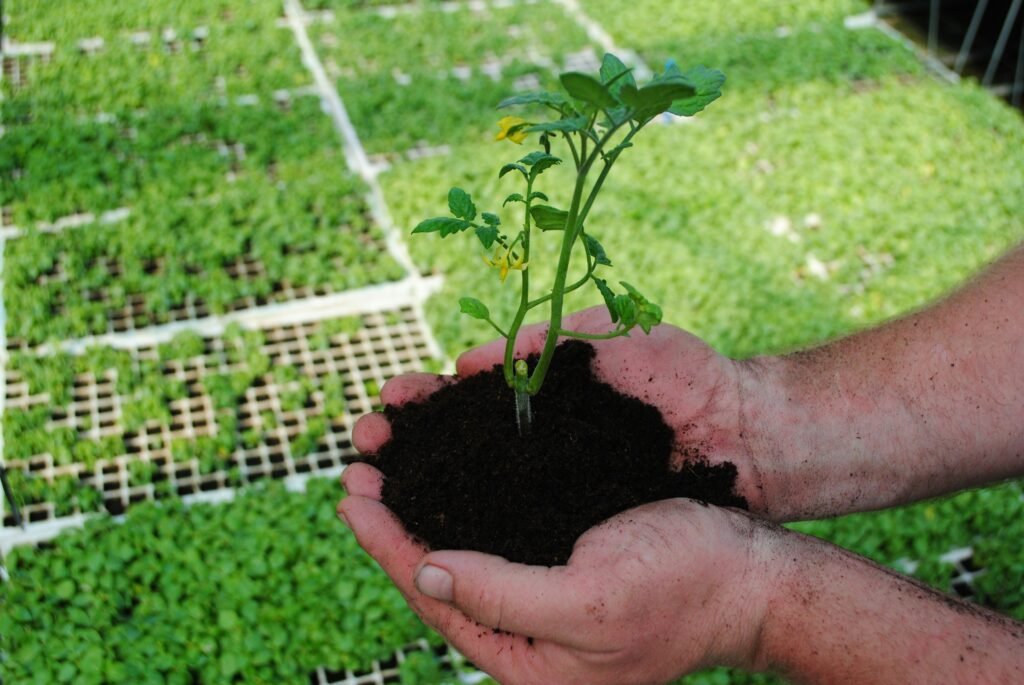
For OFWs, retirees, freelancers, and sari-sari store owners, a seedling nursery is a practical side business that can grow into a stable family agribusiness. It is eco‑friendly, low‑stress, and can be managed even in small spaces.
Quick summary of the seedling nursery opportunity
A seedling nursery is a controlled environment where seeds are germinated and grown until they are ready for transplanting. Instead of selling harvested crops, you sell young plants—making it a fast-turnover business.
You can focus on:
- Agricultural seedlings such as tomato, eggplant, okra, onion, pechay, ampalaya, and fruit trees.
- Ornamental seedlings such as herbs, succulents, flowering plants, and landscaping shrubs.
Healthy seedlings build customer trust, so quality control is essential. The Philippines’ warm climate is ideal for nurseries, but shading and proper watering are needed to protect young plants from heat stress.
Key startup facts at a glance
| Aspect | Typical Range | Practical Notes |
|---|---|---|
| Starting capital | ₱8,000–₱20,000 | Backyard setup with basic tools and shade net |
| Space needed | 10–30 sq. meters | Backyard, rooftop, or vacant lot |
| Seedling price | ₱5–₱15 (vegetables), ₱50+ (ornamentals) | Higher for rare or grafted plants |
| Profit margin | 40–60% (vegetables), 70%+ (ornamentals) | Better with direct-to-consumer sales |
| Production cycle | 2–6 weeks | Vegetables grow fastest; fruit trees take longer |
Why seedling nurseries are a growing opportunity
Home gardening surged during the pandemic, and the Department of Agriculture reported a significant increase in households participating in urban agriculture programs. This trend continued even after lockdowns, as Filipinos discovered the benefits of growing their own food and maintaining ornamental plants for stress relief.
A seedling nursery fits perfectly into this growing demand because it:
- Requires minimal space and low capital.
- Supports both food production and ornamental landscaping.
- Can be managed by families, including seniors and teens.
- Provides flexible working hours—ideal for OFW families and side-hustlers.
Understanding the basics of a seedling nursery
A seedling nursery is a place where seeds are germinated and grown under controlled conditions before being transplanted. It ensures that young plants grow strong, healthy, and uniform—qualities that buyers look for.
Two main categories of seedlings are commonly produced:
- Agricultural seedlings for vegetables, herbs, rice, corn, and fruit trees.
- Ornamental seedlings for decorative plants, succulents, and landscaping shrubs.
Healthy seedlings depend on good seed quality, proper soil mix, consistent watering, and protection from extreme heat or rain.
Choosing your nursery location
Your nursery does not need to be large, but it must be practical and accessible. Choose a site that:
- Has easy access to clean water for daily watering.
- Receives good sunlight but can be partially shaded.
- Is not flood-prone or muddy during rainy season.
- Is close to your target buyers—markets, farms, or plant shops.
Many Filipinos convert idle backyard spaces, rooftops, or vacant lots into nurseries. A sari-sari store owner might place a small rack of seedlings near the store entrance to attract walk-in buyers.
Basic setup and tools you will need
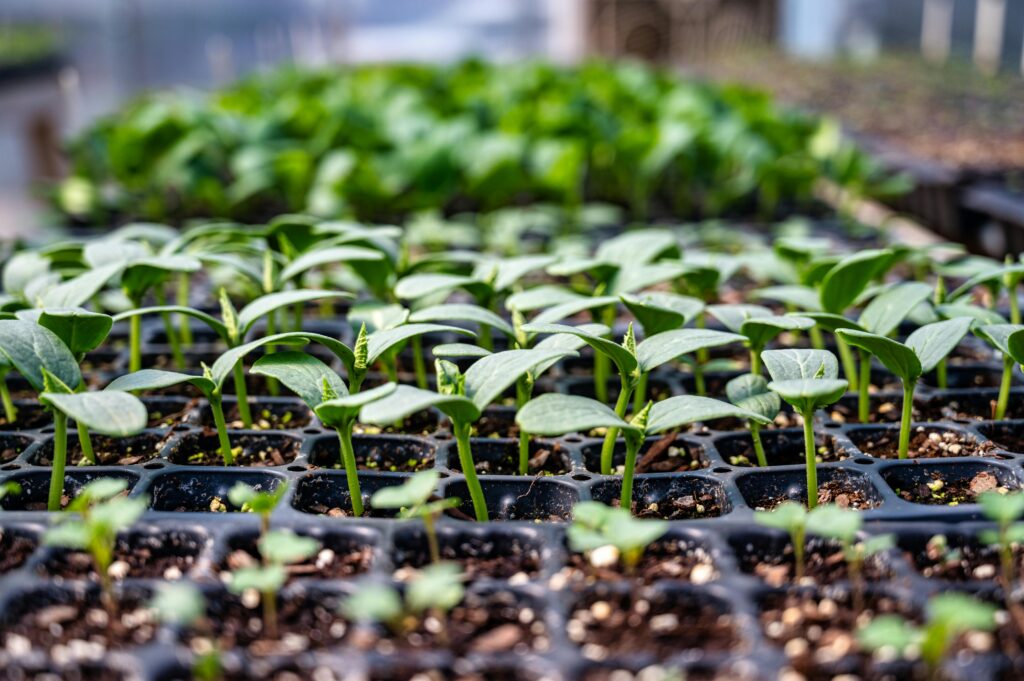
You can start a nursery with simple, affordable materials. Essential components include:
- Nursery frame or shaded area using bamboo, PVC, or GI pipes.
- Shade nets to reduce heat and protect seedlings.
- Seedling trays, plastic bags, or recycled containers like egg trays and cups.
- Potting soil mix made from garden soil, rice hull, cocopeat, and compost.
- Water sprayers, watering cans, and small trowels.
- Labels or seed markers for organization.
- Raised benches or shelves for better airflow.
Optional upgrades include a simple misting system or drip irrigation for consistent watering.
Startup costs and capital requirement
A small backyard nursery typically costs ₱8,000–₱20,000 to start. Major cost items include:
- Shade net and support frame.
- Seedling trays or recycled containers.
- Seeds and potting mix materials.
- Basic tools and labels.
- Marketing materials such as signage or online listing photos.
Monthly recurring expenses include water, fertilizers, seed replenishment, and packaging materials.
Choosing seed types to grow
Identify your target buyers before selecting seeds. Common markets include:
- Market gardeners and farmers – okra, eggplant, ampalaya, tomato, pepper, pechay.
- Home gardeners – herbs like basil, parsley, mint, lettuce, and succulents.
- Plant shops and landscapers – bougainvillea, snake plant, rubber tree, flowering shrubs.
Start with three to five varieties to manage care schedules effectively. Use certified seeds from DA-accredited suppliers or reputable agro-shops.
Seedling production process
Follow this simple, repeatable process for most seedlings:
- Soak seeds or treat with mild fungicide if needed.
- Read seed packet instructions for depth and spacing.
- Mix garden soil, cocopeat, rice hull, and compost.
- Ensure the mix is light and well-draining.
Seeding
- Fill trays with soil mix and place two to three seeds per hole.
- Cover lightly and mist with water.
Watering schedule
- Mist once or twice daily depending on weather.
- Avoid overwatering to prevent damping-off disease.
Light management
- Keep trays under partial shade until sprouting.
- Gradually increase sunlight exposure.
Transplanting
- Transplant when seedlings have three to four true leaves.
- Water well before transplanting to reduce shock.
Maintaining and managing your nursery
Daily routines keep your nursery healthy and productive:
- Maintain consistent watering; avoid overwatering.
- Monitor for pests and use organic sprays when possible.
- Label trays clearly with plant name and seeding date.
- Keep walkways clean to prevent fungal spread.
- Rotate crops to reduce soil exhaustion and pest buildup.
Packaging and selling your seedlings
Presentation affects pricing and customer trust. Common packaging options include:
- Plastic bags or pots for fruit and ornamental seedlings.
- Seedling trays or paper pots for vegetables.
- Starter packs or bundles for home gardeners.
Attach simple care instructions such as sunlight and watering needs. Vegetable seedlings typically sell for ₱5–₱15 each, while ornamental saplings can sell for ₱50 or more.
Potential buyers and markets
Your nursery can supply:
- Home gardeners via Facebook Marketplace or local groups.
- Plant shops and landscaping suppliers.
- Weekend markets and community fairs.
- Small farms, cooperatives, and schools with gardening programs.
- Sari-sari stores selling small plant kits.
Profitability and income estimation
Seedling nurseries can be highly profitable due to low production costs. Vegetable seedlings often have 40–60% profit margins, while ornamentals can reach 70% or more.
A batch of 1,000 vegetable seedlings may cost around ₱2,000 to produce and sell for ₱4,000–₱5,000. Continuous planting cycles allow steady income every few weeks.
You can increase earnings by selling soil mixes, pots, trays, and DIY grow kits.
Common challenges and solutions
Typical problems include:
- Uneven germination – use quality seeds and maintain consistent moisture.
- Pests and fungal disease – improve airflow and sanitation.
- Heat stress – install shade nets and water early morning or late afternoon.
- Slow sales – join online plant groups and offer bundle promos.
- Water interruptions – store backup water in drums or collect rainwater.
Scaling and diversifying the nursery
Once stable, you can expand by:
- Propagating cuttings for ornamentals and herbs.
- Supplying bulk orders to LGUs, schools, and NGOs.
- Offering seedling subscription boxes.
- Adding landscaping or garden installation services.
Government assistance and learning resources
Useful programs include:
- Department of Agriculture (DA) – training and starter kits.
- Agricultural Training Institute (ATI) – free online courses.
- Local DA-LGU agriculture offices – support for urban gardening.
- TESDA – horticulture and landscaping courses.
Conclusion: Growing profit from green passion
A small seedling nursery is a practical, low-cost business that helps Filipinos grow their own food and beautify their homes. With consistent care, quality seeds, and simple marketing, you can build a steady income from a small space. Whether you are an OFW planning a balikbayan project, a tricycle driver looking for extra income, or a retiree wanting meaningful work, a seedling nursery can grow into a sustainable livelihood—one healthy seedling at a time.